
DEKALB, IL — To NIU Anthropologist Leila Porter, the little monkeys of the world provide big research opportunities.
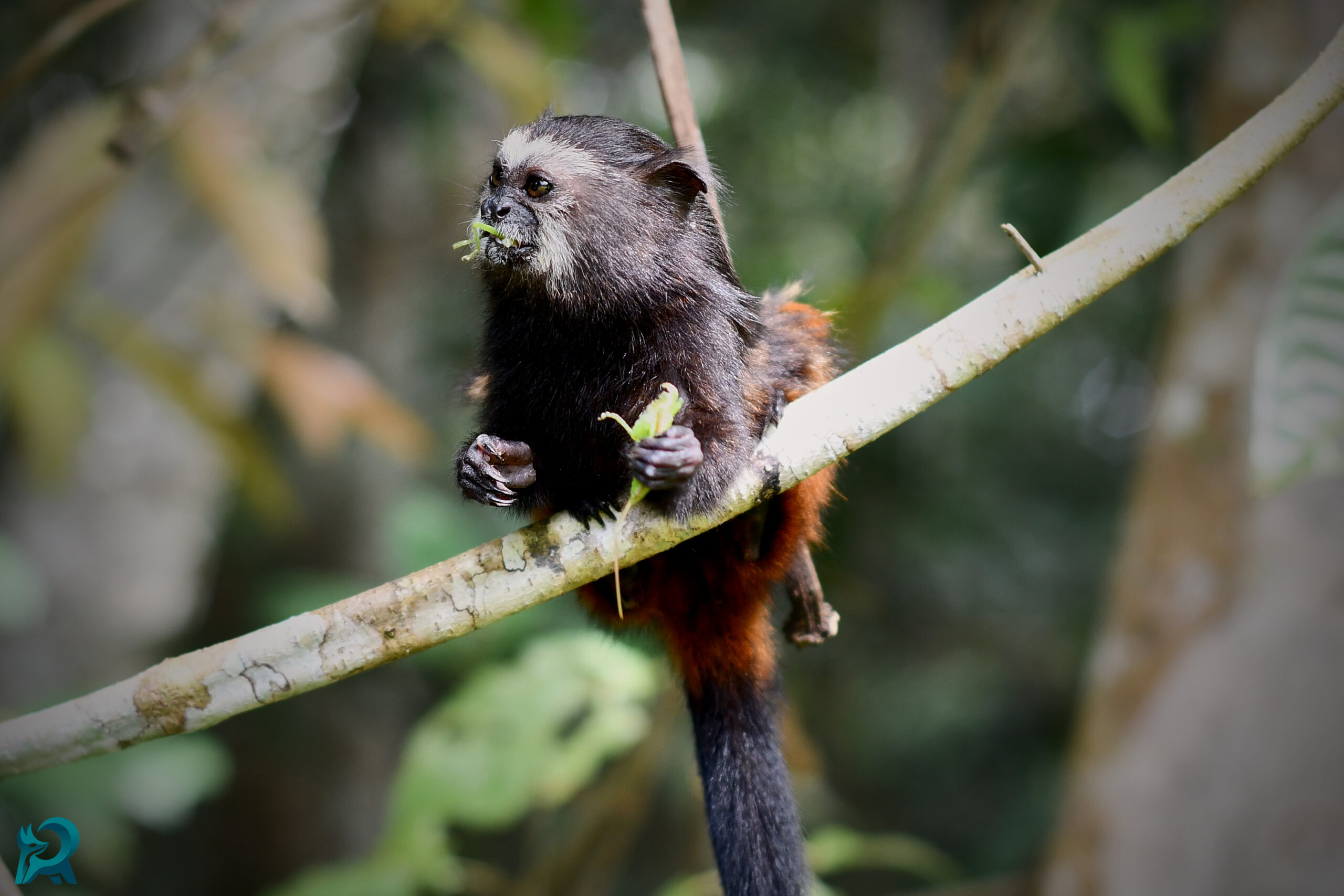
Professor Porter’s work focuses on saddleback tamarins.
Porter spent two months this summer deep in the rainforests of Bolivia launching a new field research site to uncover how wild saddleback tamarins meet the nutritional demands of survival and reproduction.
Supported by a $123,000 National Science Foundation grant, the project brings together expertise in primatology, nutritional ecology and microbiome science in an interdisciplinary collaboration that researchers say is among the first to examine all three together in a wild primate whose diet includes lots of tree gums and insects.
“We know these monkeys eat fruit, insects, tree gums and nectar, but we don’t yet know how they balance all of those foods to get the nutrients they need throughout the year,” Porter said. “We’re also interested in whether their gut microbes change over time to help them digest different foods more efficiently.”
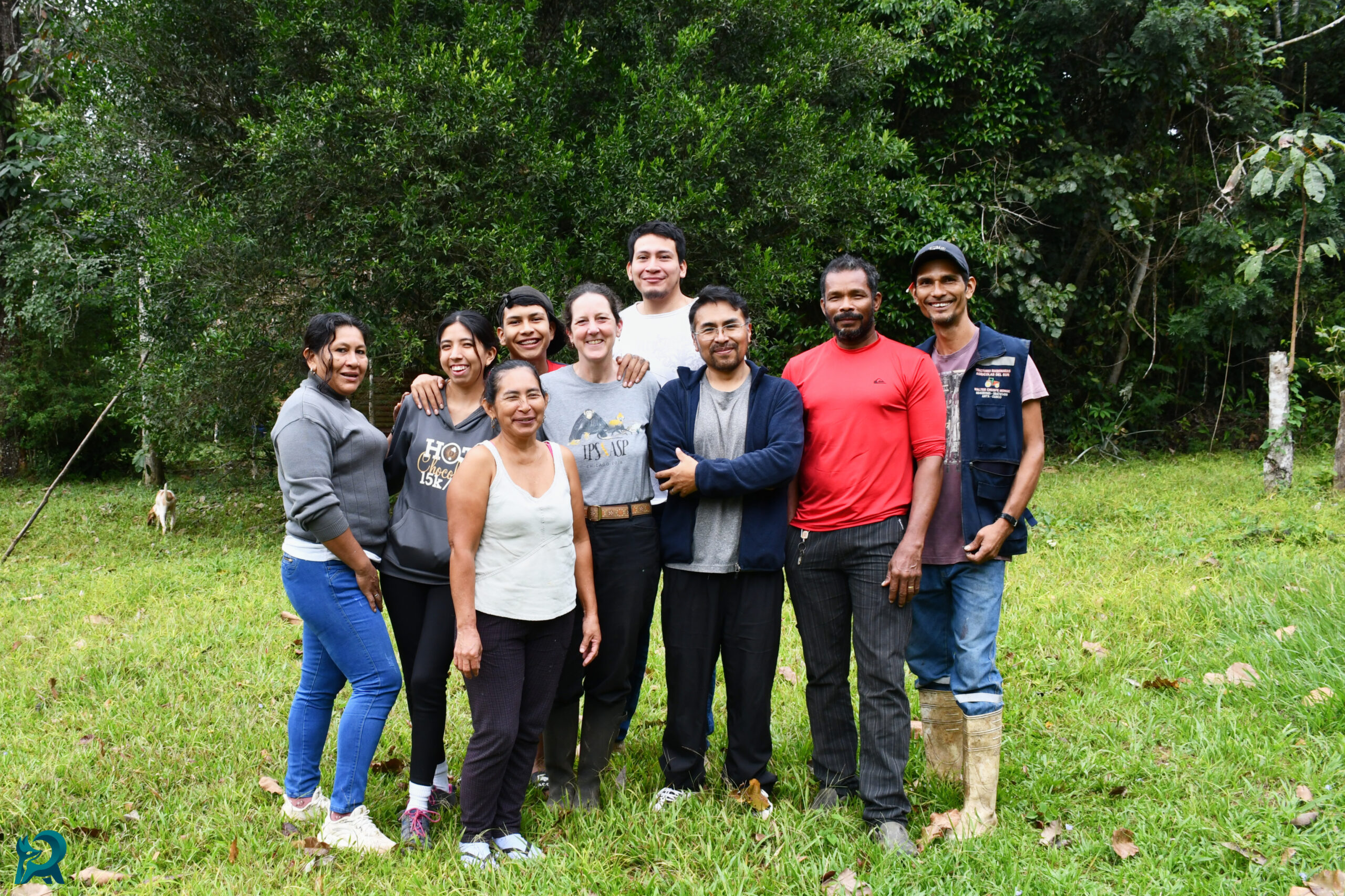
Professor Porter (center, grey shirt) and her research team in Bolivia.
Porter has studied small South American monkeys for nearly 30 years, beginning with her doctoral research. During the past 15 years, much of her work has focused on saddleback tamarins at the Tahuamanu Biological Field Station in northwestern Bolivia.
The new project builds on years of research at the site, while expanding into new scientific questions.
“The microbiome, the community of microorganisms such as bacteria, fungi and other microbes that live in the gut, is a hot area of study across fields because we’re learning how important these microbes are for digestion, reproduction and health,” Porter said.
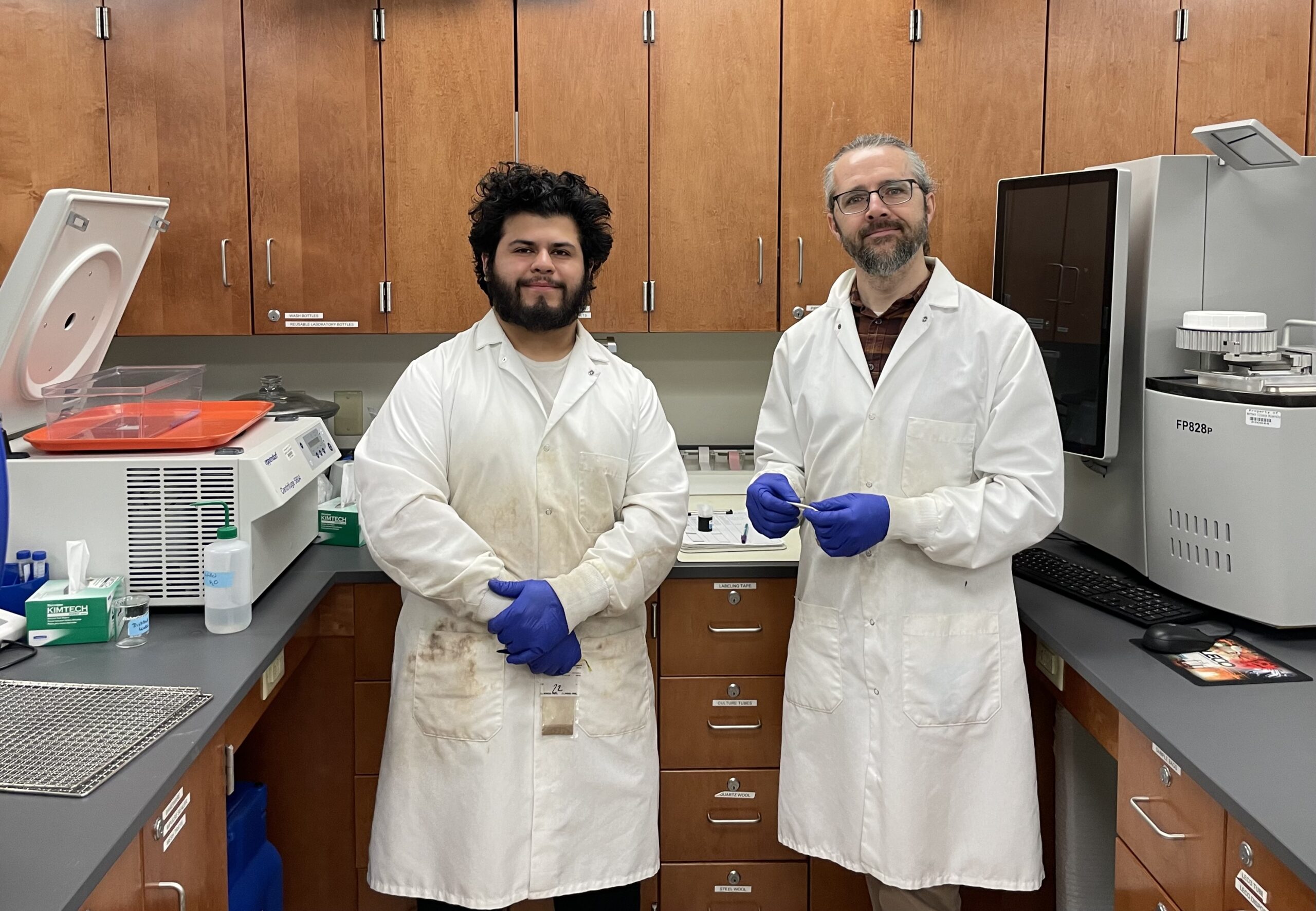
Professor Mitchell Irwin and his graduate student, Edgar Villeda, in Irwin’s lab. Irwin will analyze the nutritional content of the food the monkeys consume.
Each month, Porter’s Bolivian research team monitors what tamarin groups eat, maps food availability and collects samples of fruits, flowers, tree gums, insects and fecal material.
At NIU, Mitchell Irwin, professor of anthropology, will analyze the nutritional content of the foods the monkeys consume. At Washington University in St. Louis, microbiome specialist Liz Mallott will examine fecal samples to understand how the monkeys’ gut microbial communities shift over time.
Together, the researchers hope to answer a fundamental question: How do saddleback tamarins obtain enough nutrients to survive and reproduce in a changing tropical environment?
That question is especially important because some of the monkeys’ favorite foods are difficult to digest.
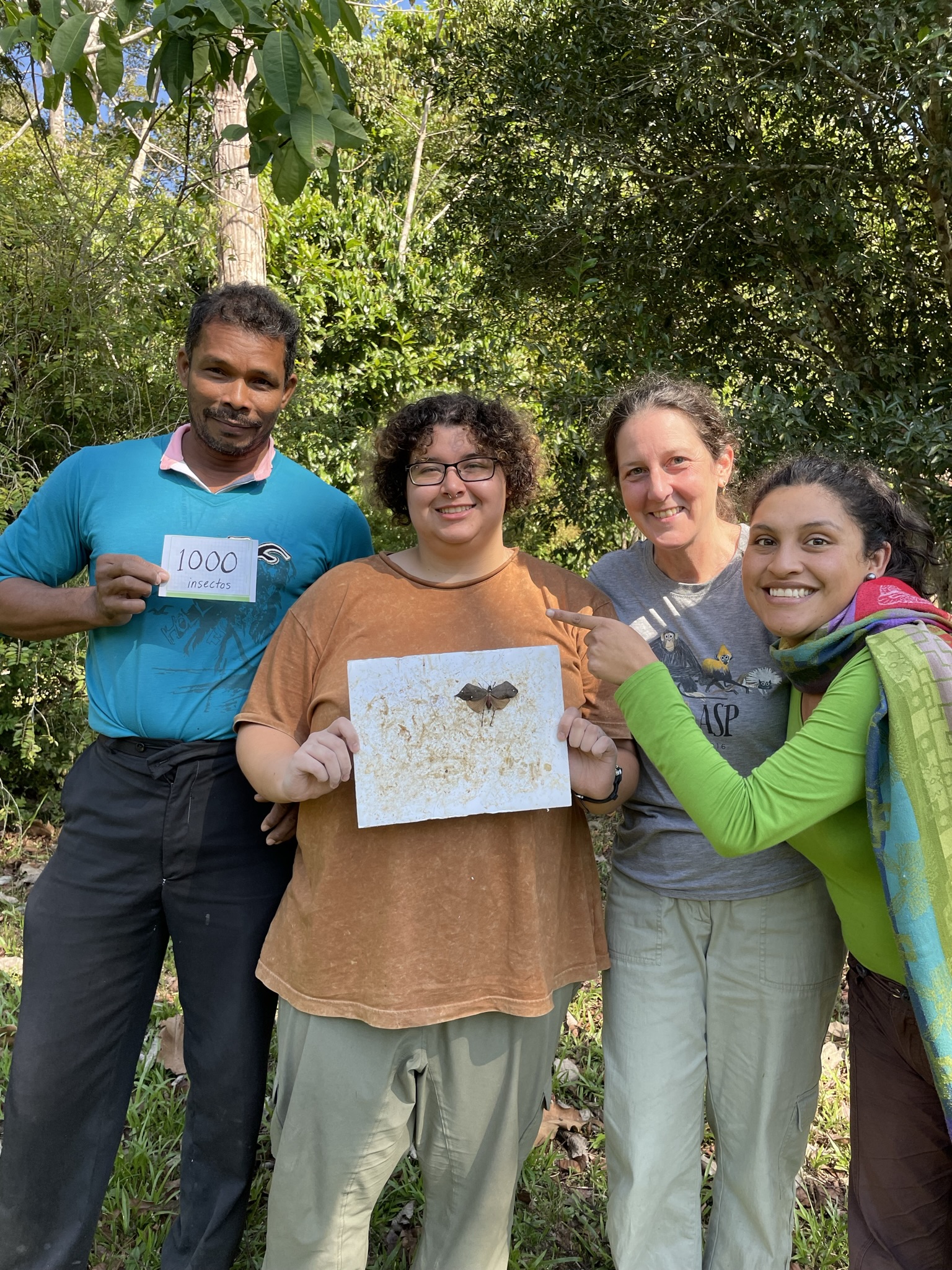
Professor Porter and members of her 2022 research team celebrate the capture of their 1,000th bug in the field.
Previous research by Porter and Irwin found that the insects they eat provide high levels of protein, fats and minerals, but the insects’ exoskeletons are made of chitin, which is difficult to digest. The monkeys also consume tree gums, sticky substances like pine resin that exude from bark composed of indigestible complex carbohydrates.
“What the tamarins eat is unusual for a monkey,” Porter said, “and they don’t have much ability to digest the food, but microbes likely help them get more nutrients out of their food. We want to figure out which bacteria help them with digestion.”
The research also explores cooperative breeding, another unusual aspect of saddleback tamarin behavior.
Unlike most primates, only one female in a tamarin group typically gives birth, usually to twins. Fathers, siblings and other adult group members share the work of carrying and caring for infants.
Scientists know a great deal about the nutritional costs mothers face during pregnancy and nursing. Much less is known about how helpers get the nutrients they need to transport large, rapidly growing infants.
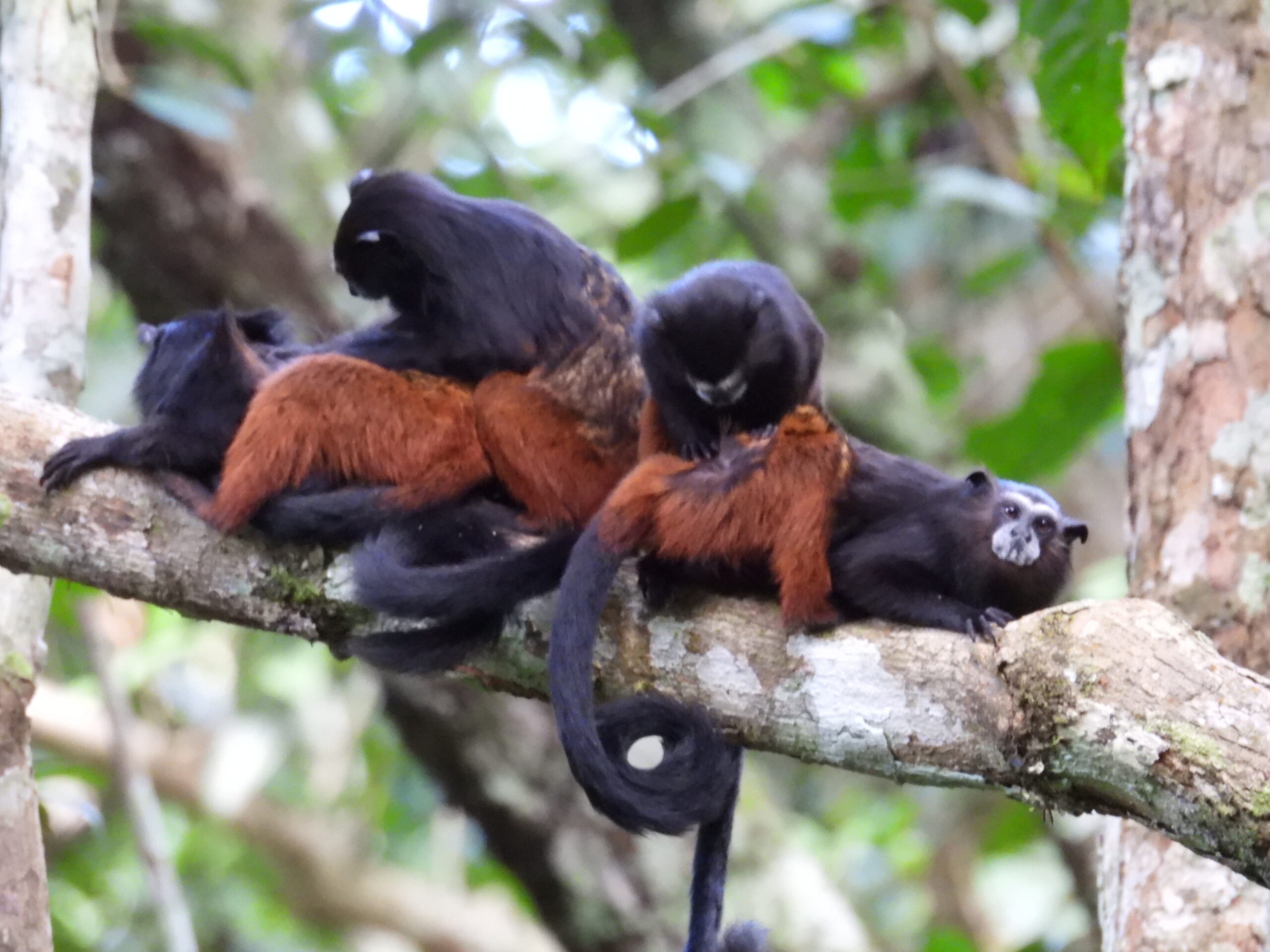
A tamarin group grooming in Bolivia.
Understanding how tamarins meet the costs of infant care may shed light on similar strategies in humans, Porter said.
“We’ll look at the cost of helping and how individuals may compensate for those costs through dietary and microbial changes,” she said.
During her stay in Bolivia, Porter hired and trained an all-Bolivian field team. The project will strengthen museum collections with new plant and insect specimens, support recent university graduates who are just beginning their careers in wildlife biology and involve local botanists and entomologists.
“Our project manager, Yanine Rocha Zarate, attended my field course last year, and now she’s leading the research,” Porter said.
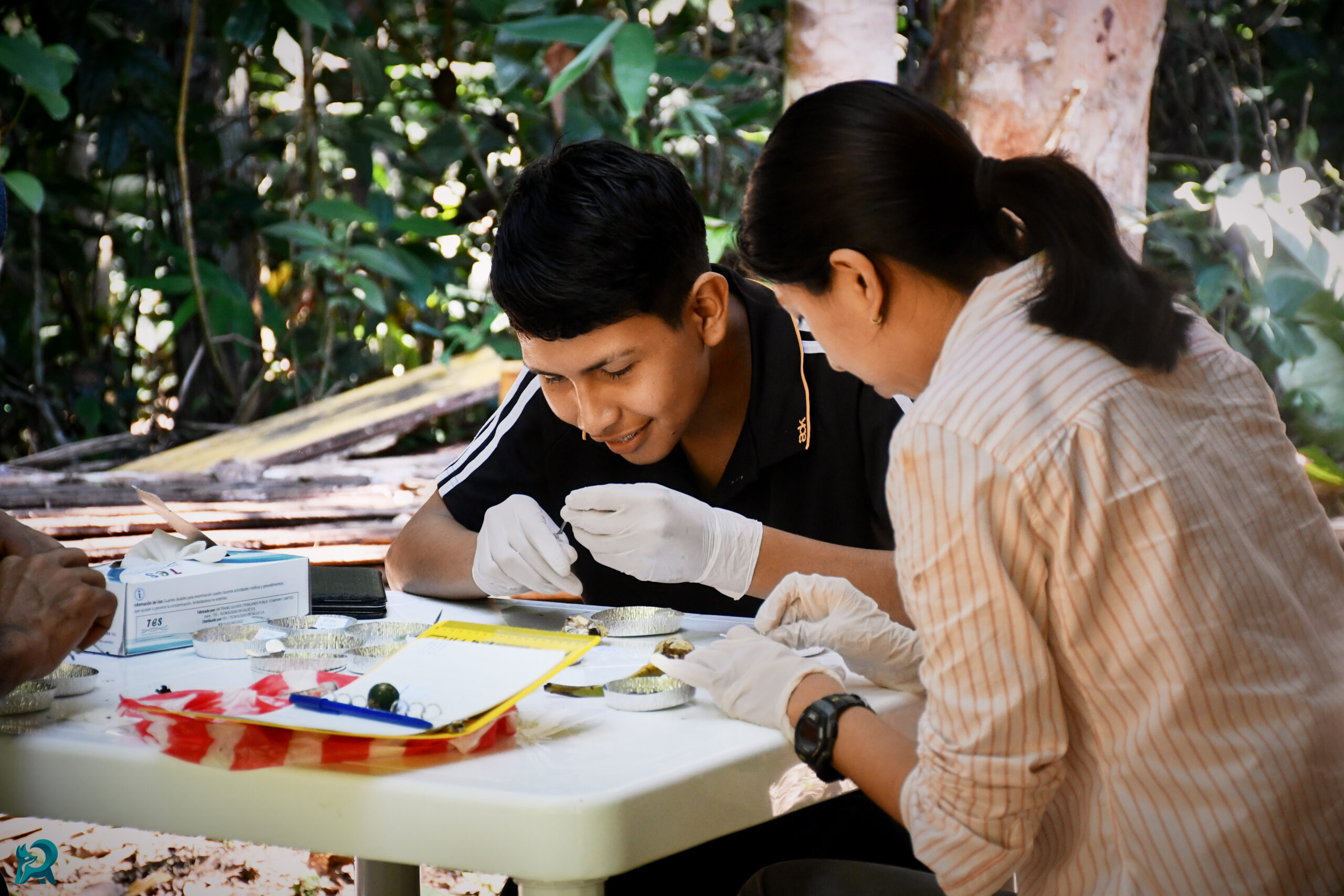
Professor Porter’s research team works in Bolivia.
Working from a remote field station with little or no internet access, the researchers disappear from the grid for weeks at a time before emerging to upload photographs and field observations to the web for Porter to begin to analyze at NIU, and to store biological samples for analysis when the field work portion of the project concludes and the laboratory component begins.
If additional funding is secured, the team hopes to continue collecting data through an entire annual cycle (July 2026 – June 2027), allowing researchers to capture seasonal changes in food availability and observe infant care during the peak birth season. This occurs from November through January and the five subsequent months when infants mature into juveniles and require the most care from adults.
Media Contact: Jami Kunzer
About NIU
Northern Illinois University is a student-centered, nationally recognized public research university, with expertise that benefits its region and spans the globe in a wide variety of fields, including the sciences, humanities, arts, business, engineering, education, health and law. The Wall Street Journal and CollegeNET recognize NIU as a leading institution for social mobility, or helping its students climb the socioeconomic ladder. Through its main campus in DeKalb, Illinois, and education centers for students and working professionals in Chicago, Naperville and Rockford, NIU offers more than 100 areas of study while serving a diverse and international student body.
